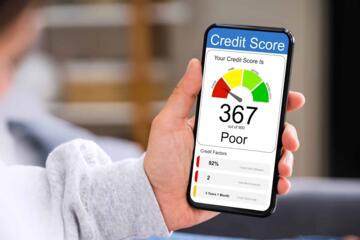
Beyond Interest Charges
Many credit card users believe the main downside of carrying a balance is paying interest. While interest is certainly expensive, it is only one part of the financial impact. Revolving debt affects credit scores, borrowing power, savings potential, and even career opportunities in certain industries.
In the United States, average credit card interest rates frequently exceed 20% APR, making credit card debt one of the most expensive forms of consumer borrowing. A balance that appears manageable today can become significantly more costly when interest compounds month after month.
Consider a consumer carrying a $5,000 balance at 22% APR while making only minimum payments. Depending on payment size, repayment can take years and cost thousands in interest alone. The financial consequences often extend far beyond those visible charges.
Understanding the hidden costs helps consumers make smarter decisions about debt management, budgeting, and long-term financial planning.
Why Debt Becomes Costly
One of the biggest misconceptions is that carrying a balance helps build credit. In reality, paying balances in full and maintaining low utilization rates generally benefits credit scores more than revolving debt.
Another mistake is focusing solely on monthly affordability. A payment that feels manageable may hide years of accumulated interest expenses and missed financial opportunities.
Many people underestimate how quickly balances grow when new purchases continue to be added. Interest charges reduce the impact of monthly payments, slowing progress toward becoming debt-free.
The result can include reduced financial flexibility, difficulty qualifying for loans, increased stress, and delayed wealth-building goals such as investing, homeownership, or retirement savings.
Hidden Financial Impacts
Interest compounds quietly
Credit card interest is typically calculated daily. This means interest can accumulate faster than many consumers realize.
A $10,000 balance at 24% APR can generate roughly $2,400 in annual interest if the balance remains unchanged. That money produces no asset, investment return, or long-term value.
Over several years, compound interest works against the borrower rather than for them, turning relatively small balances into expensive obligations.
Credit utilization hurts scores
Credit utilization measures how much available credit is being used. It is one of the most influential factors in many credit-scoring models.
Financial experts often recommend keeping utilization below 30%, with many high-score borrowers remaining under 10%.
A consumer with a $15,000 credit limit and a $9,000 balance has a utilization rate of 60%, which can negatively affect creditworthiness even if payments are made on time.
Future loans become expensive
Lower credit scores often result in higher interest rates on mortgages, auto loans, and personal loans.
For example, a modest increase in mortgage rates can add tens of thousands of dollars to the lifetime cost of a home loan. The original credit card balance may indirectly increase costs across multiple financial products.
This hidden expense frequently exceeds the interest paid directly on the card itself.
Rewards lose their value
Many cardholders justify spending based on cashback, travel points, or airline miles.
However, a card offering 2% cashback becomes a losing proposition when balances accrue interest at 20% or more. The rewards earned are often overwhelmed by finance charges.
Consumers effectively pay far more in interest than they receive in benefits.
Emergency funds grow slower
Money directed toward interest payments cannot be allocated to savings accounts, emergency funds, or investment portfolios.
A household paying $300 monthly in interest sacrifices $3,600 annually that could otherwise strengthen financial security.
Over time, this opportunity cost creates a significant gap between borrowers and consumers who avoid revolving debt.
Investment growth is delayed
Long-term investing depends heavily on time in the market. Funds spent servicing debt cannot compound through retirement accounts, index funds, or other investments.
Even modest monthly contributions can grow substantially over decades. Missing those contributions because of persistent debt creates a hidden wealth-building penalty.
The true cost is often measured not only in dollars lost but in future gains that never materialize.
Financial stress affects decisions
Research consistently links financial strain to increased stress and reduced decision quality.
Consumers carrying significant balances may delay medical care, avoid career changes, postpone education, or reject business opportunities because debt obligations limit flexibility.
The psychological burden can become as damaging as the financial expense.
Promotional offers can backfire
Balance transfer and introductory APR offers can be useful tools, but they sometimes encourage consumers to delay repayment.
When promotional periods end, remaining balances often become subject to high standard rates. Without a repayment plan, temporary relief can evolve into a longer debt cycle.
The hidden cost is complacency rather than immediate interest.
Real-Life Examples
Case 1: A marketing manager carried an average credit card balance of $8,000 at 21% APR. Minimum payments kept the account current, but utilization remained above 50%. After paying the balance down over 18 months, her credit score increased by more than 60 points, helping her qualify for a lower-rate auto loan that saved approximately $2,500 over the loan term.
Case 2: A married couple maintained roughly $12,000 in revolving debt while earning travel rewards. Annual interest costs exceeded $2,000, while rewards generated less than $400 in value. By redirecting spending toward debt reduction and eliminating the balance, they increased retirement contributions by $500 per month and built a six-month emergency fund within two years.
Debt Cost Checklist
| Factor | Low | Medium | High |
|---|---|---|---|
| Balance | Paid | Partial | Large |
| Score | Strong | Fair | Weak |
| Interest | Low | Moderate | High |
| Savings | Grow | Slow | Stall |
| Stress | Low | Some | High |
Common Pitfalls
Relying on minimum payments is one of the most expensive mistakes consumers make. Minimums often cover interest while making only limited progress toward reducing principal.
Another error is using credit cards to fund recurring lifestyle expenses that exceed income. This turns short-term borrowing into a permanent financial burden.
Many borrowers also ignore utilization ratios, focusing only on payment history. High balances can affect credit scores even when payments are never missed.
Chasing rewards while carrying debt is another common trap. Interest expenses almost always outweigh cashback benefits when balances remain unpaid.
Finally, some consumers continue opening new credit accounts without addressing underlying spending habits. Additional credit may temporarily relieve pressure but often increases total debt exposure.
FAQ
Does carrying a balance improve a credit score?
No. Credit scores generally benefit more from on-time payments and low utilization than from carrying revolving debt.
How much credit utilization is considered healthy?
Many financial experts recommend keeping utilization below 30%, while the strongest credit profiles often remain below 10%.
Why are credit card interest rates so high?
Credit cards are unsecured loans, meaning lenders do not hold collateral. Higher risk often results in higher interest rates.
Should I close a card after paying it off?
Not necessarily. Keeping older accounts open may help maintain available credit and support credit history length, provided spending remains controlled.
What is the fastest way to eliminate a balance?
Paying more than the minimum, reducing new spending, targeting high-interest balances first, and using a structured repayment plan can significantly accelerate debt reduction.
Author's Insight
In my experience, the most damaging aspect of credit card debt is rarely the interest people can see on their statements. The larger problem is the financial flexibility it quietly removes. I have seen consumers focus on monthly payments while overlooking missed investment growth, weaker borrowing terms, and delayed financial goals. The most effective strategy is treating credit cards as payment tools rather than financing tools whenever possible.
Summary
Carrying a credit card balance creates costs that extend far beyond interest charges. Higher utilization, lower credit scores, reduced savings, lost investment opportunities, and increased borrowing expenses can collectively cost far more than consumers expect. Paying balances aggressively, maintaining low utilization, and avoiding revolving debt whenever possible are among the most effective steps toward stronger long-term financial health.