Credit Score Basics
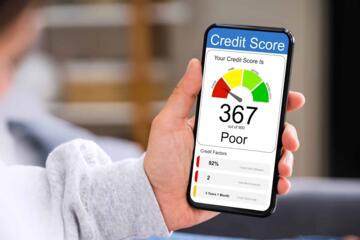
A credit score is a numerical assessment of a person's creditworthiness. Lenders, banks, credit card issuers, insurers, and sometimes landlords use it to evaluate financial risk before approving applications.
Most credit scores range from 300 to 850. Higher scores indicate lower risk to lenders. In the United States, FICO Scores and VantageScore models dominate the market, with FICO used in more than 90% of lending decisions.
Credit scores influence far more than loan approvals. A difference of just 100 points can significantly affect mortgage rates, auto loan costs, and credit card offers. Over a 30-year mortgage, a lower interest rate can save tens of thousands of dollars.
For example, someone with a score above 760 typically qualifies for the best lending terms available, while a borrower with a score below 620 may face higher rates, stricter requirements, or outright denial.
Why Scores Stay Low
Many consumers believe income determines credit scores. It does not. A person earning $200,000 annually can have poor credit, while someone earning $40,000 can maintain an excellent score.
The most common problems include late payments, excessive credit card balances, limited credit history, and frequent applications for new credit.
Another misconception is that carrying a balance improves a score. Credit scoring models do not reward paying interest. What matters is demonstrating responsible use and timely repayment.
Low scores can lead to higher borrowing costs, security deposits for utilities, difficulty renting housing, and fewer financing options during emergencies.
Building Strong Credit
Pay every bill on time
Payment history is the most influential factor in most credit scoring models. A single late payment can remain on a credit report for up to seven years.
Set automatic payments for credit cards, loans, utilities, and subscription services whenever possible. Many banks offer alerts several days before due dates.
Consumers with long records of on-time payments typically achieve higher scores faster than those focusing on any other strategy.
Keep card balances low
Credit utilization measures how much available credit is being used. If a card has a $10,000 limit and carries a $5,000 balance, utilization is 50%.
Many experts recommend staying below 30%, while scores often improve further when utilization remains below 10%.
A borrower with $20,000 in available credit and only $1,000 in balances presents far less risk than someone using most of their available limit.
Build a long history
Credit age matters because lenders prefer evidence of long-term financial responsibility. Older accounts provide more data for scoring models.
Closing a long-standing credit card can reduce the average age of accounts and potentially affect scores. Unless fees are excessive, keeping older accounts open may be beneficial.
Time remains one of the few factors that cannot be accelerated significantly.
Diversify credit types
Scoring models generally favor borrowers who successfully manage different forms of credit, such as credit cards, auto loans, student loans, or mortgages.
This does not mean opening unnecessary accounts. Instead, it means demonstrating responsible management of various financial obligations when appropriate.
A borrower with only one credit card may have less scoring data than someone who responsibly manages several account types.
Limit new applications
Each hard inquiry may slightly affect a score. Multiple applications within a short period can signal financial stress to lenders.
Before applying for credit, compare offers carefully and submit only necessary applications.
Shopping for a mortgage or auto loan within a designated time window is often treated as a single inquiry by major scoring models.
Review credit reports
Errors occur more frequently than many consumers realize. Incorrect balances, outdated information, duplicate accounts, or fraudulent activity can affect scores.
Review reports regularly from the major credit bureaus. Dispute inaccuracies immediately and maintain records of all communications.
Identifying an error early can prevent long-term damage to borrowing opportunities.
Use secured cards wisely
For individuals with limited or damaged credit histories, secured credit cards provide a practical starting point. These cards require a refundable security deposit that typically becomes the credit limit.
Responsible use and on-time payments are reported to credit bureaus, helping establish positive credit history.
Many secured card users transition to traditional credit products after six to twelve months of consistent activity.
Avoid maxing out limits
Even if balances are paid in full later, heavily utilizing available credit can negatively affect reported utilization rates.
Large purchases should be paid down before statement closing dates whenever possible. This helps ensure lower balances appear on credit reports.
Borrowers with excellent scores often spread spending across multiple accounts instead of relying heavily on a single card.
Real Credit Examples
Case 1: A recent college graduate began with a secured credit card and a score below 620. By making every payment on time, maintaining utilization below 10%, and avoiding unnecessary applications, the score increased to 742 within two years. This qualified the borrower for a significantly lower auto loan interest rate.
Case 2: A homeowner carried credit card balances exceeding 80% of available limits despite never missing payments. After reducing utilization to below 15% over eight months, the credit score improved by more than 70 points, resulting in better refinancing options and lower borrowing costs.
Score Range Guide
| Range | Level | Risk | Terms |
|---|---|---|---|
| 800+ | Elite | Low | Best |
| 740-799 | VeryGood | Low | Strong |
| 670-739 | Good | Mid | Solid |
| 580-669 | Fair | High | Basic |
| 300-579 | Poor | High | Limited |
Common Pitfalls
One major mistake is missing payments by only a few days. Even accidental lateness can create lasting damage if reported to credit bureaus.
Another error is closing old accounts without considering their contribution to account age and available credit.
Some consumers repeatedly apply for store cards, rewards cards, and financing offers to obtain discounts. Excessive inquiries can reduce credit quality over time.
Ignoring credit reports is equally risky. Fraudulent accounts and reporting mistakes often go unnoticed until a loan application is rejected.
Finally, avoid using nearly all available credit even if repayment is planned. High utilization can negatively affect scores before balances are paid off.
FAQ
What is considered a good credit score?
Generally, a score of 670 or higher is considered good, while scores above 740 are viewed favorably by most lenders and often qualify for better rates.
How long does it take to improve a credit score?
Minor improvements may appear within a few months, while major changes often require six months to several years depending on credit history and existing issues.
Does checking my own credit score hurt it?
No. Personal credit checks are considered soft inquiries and do not affect credit scores.
Can I have a good score without a credit card?
Yes, but building credit is generally easier with responsibly managed revolving credit accounts that report activity to credit bureaus.
What credit score is needed for a mortgage?
Requirements vary by lender and loan type, but many conventional mortgages favor scores of 620 or higher, while the best rates are often reserved for borrowers above 740.
Author's Insight
In my experience reviewing consumer finance strategies, the biggest breakthroughs rarely come from complicated tactics. The strongest improvements usually result from paying every bill on time and keeping credit utilization consistently low. Many people focus on finding financial shortcuts, but credit scores reward patience and predictable behavior. Building excellent credit is often less about earning more money and more about demonstrating reliability over time.
Summary
A good credit score opens access to better financial opportunities, lower interest rates, and greater borrowing flexibility. Achieving one requires consistent on-time payments, low credit utilization, responsible account management, and regular monitoring of credit reports. Focus on long-term habits rather than quick fixes, and strong credit becomes a natural result of disciplined financial behavior.