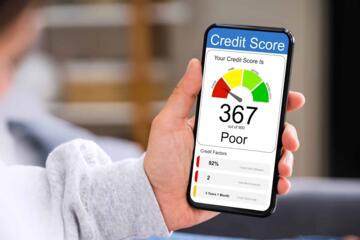
Know Your Report
A credit report is a detailed record of your borrowing history and financial behavior. Lenders, banks, credit card issuers, landlords, insurers, and sometimes employers use this information to assess risk and make decisions.
In the United States, the three major credit bureaus are Equifax, Experian, and TransUnion. Each bureau maintains its own file, which means information may vary slightly between reports. Similar systems exist in many countries, although the reporting agencies differ.
Your credit report contains personal information, account histories, payment records, credit inquiries, collections, public records, and other data used to calculate credit scores. According to the Federal Trade Commission, a significant number of consumers discover errors on their reports that can affect lending decisions.
Learning how to read your report carefully can help you identify inaccuracies, prevent fraud, and improve your financial standing before applying for a mortgage, auto loan, personal loan, or new credit card.
Why Errors Matter
Many people assume credit reports are automatically accurate because financial institutions submit the information. In reality, reporting mistakes occur regularly.
A creditor may report a payment as late even though it was made on time. A closed account may still appear as open. In more serious cases, another person's debt can be mixed into your file because of similar names or identification details.
Identity theft creates additional risks. Fraudulent accounts, unauthorized loans, and unfamiliar inquiries can appear on reports before consumers realize their information has been compromised.
Even small inaccuracies can have consequences. A lower credit score may result in higher interest rates, reduced borrowing limits, loan denials, or less favorable financing terms. Over the life of a mortgage, a higher interest rate can cost thousands of dollars.
The earlier errors are detected, the easier they are typically to resolve.
How to Review It
Start with personal details
Review your full name, previous names, addresses, date of birth, and employment information. Small mistakes may seem harmless, but incorrect identifying information can sometimes indicate a mixed file or reporting issue.
Check for unfamiliar addresses, employers, or name variations. These can be warning signs that someone else's information has been added to your report.
Verify every account
Examine each credit card, mortgage, auto loan, student loan, and line of credit listed. Confirm that every account belongs to you and that balances appear reasonable.
Pay close attention to account opening dates, credit limits, loan amounts, and ownership status. Joint accounts should be correctly identified, and closed accounts should be marked accordingly.
If you find an account you do not recognize, investigate immediately.
Check payment history
Payment history is one of the most important factors affecting credit scores. Review every reported late payment carefully.
Look for accounts showing 30-day, 60-day, 90-day, or longer delinquencies. Compare reported dates with your records, bank statements, and payment confirmations.
Even a single incorrectly reported late payment can negatively affect creditworthiness.
Review credit utilization
Credit utilization measures how much revolving credit you are using compared with available limits. High utilization can reduce scores even when payments are made on time.
Verify that reported balances are accurate. Sometimes creditors submit outdated balances that make utilization appear higher than it actually is.
Many financial experts recommend keeping utilization below 30%, while lower percentages often produce stronger credit profiles.
Inspect hard inquiries
Hard inquiries occur when you apply for credit. Each inquiry should correspond to an application you authorized.
Review the dates and organizations involved. Unrecognized inquiries may indicate attempted fraud or identity theft.
While a single inquiry generally has a modest impact, multiple unauthorized inquiries deserve attention.
Look for collections
Collection accounts deserve careful scrutiny because they can significantly affect lending decisions.
Confirm that the debt belongs to you, the balance is accurate, and the account status reflects current information. Debts that have been paid, settled, or resolved should not continue to appear incorrectly.
Request documentation if a collection agency reports information you cannot verify.
Compare all bureau reports
Many consumers review only one report. A more effective approach is comparing reports from all major bureaus.
A lender may report information to one bureau but not another. An error may appear on a single report while remaining absent elsewhere.
Side-by-side comparison often reveals discrepancies that might otherwise go unnoticed.
Document suspicious items
Create a list of every potential issue before beginning disputes. Include account numbers, reporting dates, creditor names, and specific inaccuracies.
Supporting documentation is critical. Save statements, payment confirmations, letters, account screenshots, settlement agreements, and correspondence that supports your position.
Organized records make the dispute process significantly more effective.
Dispute Process
Case 1: A consumer preparing for a home purchase discovered a credit card account reported as 90 days late. Bank records showed every payment had been made on time. The consumer submitted statements and payment confirmations to the bureau and creditor. The late-payment notation was removed within several weeks, and the credit score increased by more than 60 points before the mortgage application.
Case 2: A professional reviewing annual credit reports found a collection account from a medical provider she had never used. After requesting validation and filing disputes with the reporting bureau, the agency could not verify ownership of the debt. The account was deleted, preventing potential loan complications.
Most disputes follow a similar process. First, identify the specific error. Next, gather supporting evidence. Then submit disputes through the relevant credit bureau and, when appropriate, directly to the creditor reporting the information.
Provide clear explanations rather than emotional arguments. State what is incorrect, why it is incorrect, and what documentation supports your claim.
Keep copies of everything submitted, including confirmation numbers, letters, emails, and supporting documents.
Review Checklist
| Area | Check | Issue | Action |
|---|---|---|---|
| Name | Match | Mixup | Dispute |
| Account | Verify | Unknown | Report |
| Balance | Review | Wrong | Proof |
| LatePay | Check | Error | Appeal |
| Inquiry | Confirm | Fraud | Alert |
Common Mistakes
One frequent mistake is disputing accurate information simply because it is negative. Credit bureaus generally remove only information that is inaccurate, incomplete, or unverifiable.
Another mistake is filing vague disputes. Statements such as "This account is wrong" provide little information. Specific explanations supported by evidence are far more persuasive.
Consumers also fail to monitor progress after submitting disputes. Review updated reports to ensure corrections were actually made.
Some people discard important documentation too early. Retain records until the issue is fully resolved and reflected across all relevant reports.
Waiting until a mortgage or loan application is imminent is another costly error. Reviewing reports several months before seeking credit allows time to resolve problems without affecting deadlines.
FAQ
How often should I check my credit report?
Many financial professionals recommend reviewing reports at least once per year. More frequent monitoring may be appropriate if you are preparing for a major loan or have experienced identity theft.
Will disputing an error hurt my credit score?
Submitting a legitimate dispute does not directly lower your credit score. Correcting inaccurate negative information may actually improve it.
How long does a credit dispute take?
Timeframes vary by jurisdiction and reporting agency, but investigations are commonly completed within several weeks after receiving the dispute and supporting documentation.
Can I dispute information online?
Yes. Most major credit bureaus provide online dispute systems. Some consumers also choose certified mail because it creates a stronger paper trail.
What if the bureau rejects my dispute?
You can request additional review, submit new evidence, dispute directly with the creditor, or seek assistance from consumer protection agencies if necessary.
Author's Insight
In my experience reviewing consumer credit files, the biggest advantage comes from careful attention to detail rather than complex credit strategies. People often focus on raising scores while ignoring inaccuracies that may be dragging those scores down. The strongest disputes are concise, evidence-based, and thoroughly documented. I have repeatedly seen well-organized consumers resolve reporting errors faster than those who rely on broad or unsupported claims.
Summary
Reading a credit report effectively means reviewing every section, verifying account details, checking payment history, examining inquiries, and identifying signs of fraud or reporting mistakes. When errors appear, gather documentation, submit precise disputes, and track the outcome until corrections are confirmed. Consistent monitoring helps protect your credit profile, strengthens future borrowing opportunities, and reduces the risk of costly financial surprises.