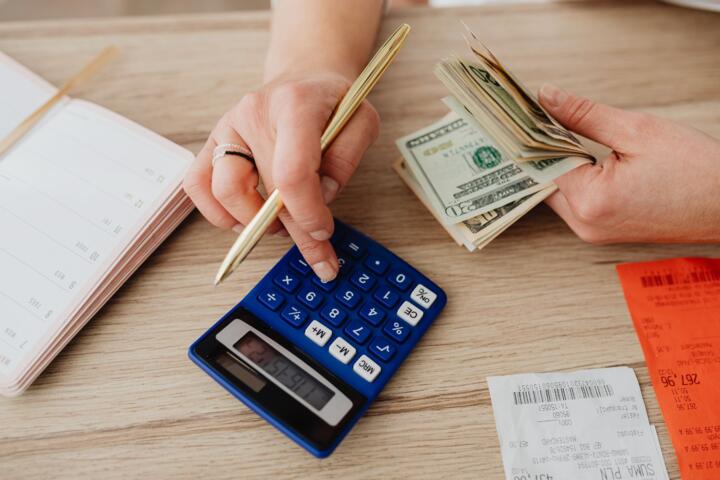
Budgeting That Lasts
Creating a monthly budget sounds simple: list income, subtract expenses, and allocate the remainder. In reality, many budgets fail within weeks because they are built around idealized spending habits rather than actual behavior.
A realistic budget accounts for rent or mortgage payments, groceries, transportation, insurance, subscriptions, savings goals, and the dozens of small purchases that occur throughout the month. Ignoring those expenses often leads to overspending and frustration.
According to multiple consumer finance surveys, a significant share of households struggle to cover unexpected expenses of a few hundred dollars without using credit. A practical budget helps reduce that vulnerability by planning for both predictable and irregular costs.
The purpose of budgeting is not restriction. A good budget gives every dollar a job while leaving enough flexibility for real life.
Why Budgets Break
The most common mistake is basing a budget on estimates rather than actual spending data. People often assume they spend $300 on dining out when bank statements show the real figure is closer to $500.
Another frequent issue is forgetting non-monthly expenses. Annual insurance premiums, holiday shopping, car repairs, school fees, and medical costs often appear unexpectedly because they were never included in the budget.
Many budgeting plans also fail because they eliminate all discretionary spending. Removing every restaurant meal, entertainment expense, or hobby purchase may look good on paper but rarely lasts in practice.
Income variability creates another challenge. Freelancers, commission-based employees, and self-employed workers often build budgets around their highest-earning months instead of their average earnings.
When budgets are unrealistic, people abandon them completely rather than adjusting them. The result is less financial awareness, more debt accumulation, and reduced savings progress.
Build a Practical Plan
Start with real spending data
Before creating categories, review at least three months of bank and credit card statements. Six months is even better.
Track spending across housing, food, transportation, utilities, subscriptions, debt payments, healthcare, entertainment, and miscellaneous purchases. Budgeting apps such as YNAB, Monarch Money, Copilot, EveryDollar, and PocketGuard can automate much of this process.
Real transaction history reveals spending patterns that memory often misses.
Use net income only
Always budget using take-home pay rather than gross salary. Taxes, retirement contributions, insurance deductions, and other payroll withholdings are already spoken for.
If your monthly net income is $4,200, that is the number your budget should be built around. Using pre-tax income creates a false sense of available cash.
For freelancers, calculate an average from the previous 6–12 months and use the lower end when possible.
Create fewer categories
Overcomplicated budgets often fail because they become difficult to maintain. Instead of managing 40 spending categories, focus on major groups.
A practical structure may include housing, transportation, food, utilities, debt, savings, personal spending, entertainment, and miscellaneous expenses.
Simpler systems are easier to review and adjust each month.
Plan for irregular costs
Many expenses are predictable even if they do not occur monthly. Car maintenance, holiday gifts, annual subscriptions, property taxes, and school expenses should be anticipated.
If holiday spending typically reaches $1,200 annually, setting aside $100 each month prevents a large financial shock later.
This method is often called a sinking fund and is one of the most effective budgeting tools available.
Include guilt-free spending
Successful budgets intentionally allocate money for enjoyment. Dining out, hobbies, streaming services, travel, fitness memberships, and entertainment should have a place in the plan.
When discretionary spending is budgeted in advance, people are less likely to feel deprived and more likely to follow the budget consistently.
The objective is controlled spending, not eliminating enjoyment.
Automate savings first
Saving whatever remains at the end of the month rarely works. Instead, automate transfers immediately after payday.
Many financial planners recommend treating savings like a recurring bill. Whether the goal is an emergency fund, retirement account, home purchase, or investment portfolio, automation removes decision-making from the process.
Even modest automatic transfers can accumulate substantially over time.
Build a buffer category
No budget is perfect. Unexpected expenses appear every month, from prescription costs to school activities and home repairs.
Adding a miscellaneous buffer equal to 3%–10% of monthly income creates flexibility without disrupting the entire plan.
People who include a buffer category typically need fewer emergency budget adjustments.
Review weekly, not monthly
Many people check their budget only after the month ends. By then, overspending has already occurred.
A weekly review takes less than 15 minutes and allows small corrections before problems become significant. Budgeting apps, bank dashboards, and spending alerts make this process easier.
Frequent monitoring improves awareness without requiring constant attention.
Budget Success Stories
Case 1: A dual-income household earning $7,500 monthly struggled to save despite strong income. After reviewing six months of statements, they discovered nearly $900 per month was going toward dining out, delivery services, and impulse online purchases. By setting realistic spending limits rather than eliminating those expenses entirely, they redirected $500 monthly into savings and accumulated $6,000 within a year.
Case 2: A freelance graphic designer experienced income swings ranging from $3,000 to $7,000 per month. Instead of budgeting from peak earnings, she built her budget around a conservative $3,500 baseline and deposited surplus income into a reserve account. Within 18 months, she built a six-month emergency fund and eliminated reliance on credit cards during slower periods.
Budget Checklist
| Step | Action | Goal | Time |
|---|---|---|---|
| Income | Track | Base | Monthly |
| Costs | Review | Reality | Monthly |
| Saving | Auto | Growth | Payday |
| Buffer | Add | Flex | Monthly |
| Check | Review | Adjust | Weekly |
Common Pitfalls
One major mistake is copying someone else's budget percentages without considering personal circumstances. Housing costs, family size, location, and income levels vary significantly.
Another issue is ignoring cash spending. Small purchases often seem insignificant individually but can add up to hundreds of dollars each month.
Many people also fail to update their budgets after major life changes such as marriage, relocation, a new job, or the birth of a child.
Using credit cards without tracking purchases is another common problem. The budget should reflect spending regardless of payment method.
Finally, avoid chasing perfection. A budget that is followed consistently at 90% effectiveness is far more valuable than a perfect spreadsheet that gets abandoned after two weeks.
FAQ
How much of my income should I save each month?
The ideal amount depends on income, debt, and financial goals. Many experts recommend starting with at least 10% and increasing the percentage as finances improve.
Should I budget every dollar?
Giving every dollar a purpose can improve awareness and control, but flexibility is important. Including a buffer category prevents minor surprises from derailing the plan.
What is the best budgeting app?
Popular options include YNAB, Monarch Money, Copilot, EveryDollar, and PocketGuard. The best choice is the one you will consistently use.
How do I budget with irregular income?
Use your average income from the previous several months and build spending plans around conservative estimates. Reserve surplus earnings during strong months.
How often should I update my budget?
A quick weekly review is ideal, with a more detailed monthly review to adjust categories, savings goals, and spending limits.
Author's Insight
In my experience, the most successful budgets are surprisingly simple. People often assume better budgeting requires complex spreadsheets, but long-term success usually comes from accurate spending data, realistic expectations, and regular reviews. I have found that adding flexibility through sinking funds and buffer categories dramatically increases consistency. The goal is not creating the perfect budget; it is building a system that still works six months from now.
Summary
A realistic monthly budget begins with actual spending data, uses net income, accounts for irregular expenses, includes discretionary spending, and automates savings. Simple categories, weekly reviews, and built-in flexibility make the plan easier to maintain. When a budget reflects real behavior instead of ideal behavior, it becomes a practical tool for building financial stability and reaching long-term goals.